Acoustic Benefits of Custom Window Coverings in Fairfax County Homes
Quieter, More Comfortable Living Spaces in Fairfax County
Noise is part of everyday life in Fairfax County. Traffic on major roads, constant activity on side streets, new construction, and neighbors close by can all creep into your home. In townhomes, condos, and multi-story houses, that noise can feel even louder, especially around big, bare windows.
Sound loves hard, flat surfaces. Glass, drywall, and wood or tile floors bounce sound around, which makes rooms feel sharp and echoey. When windows are uncovered, outside noise slips in more easily, and inside sounds seem to hang in the air.
Custom window coverings in Fairfax County are not only about style or light control. With the right choices, they can help soften sound, reduce echo, and make rooms feel calmer and more private. As a veteran-owned window treatment company serving the greater DMV area, we focus on solutions that look good and make everyday life more comfortable.
How Sound Moves Through Your Windows and Walls
To understand why window treatments matter for noise, it helps to know how sound moves. There are two main kinds that affect your home:
- Airborne noise: sounds that travel through the air, like traffic, voices, sirens, barking dogs
- Structure-borne noise: vibrations that move through solid materials, like footsteps, a slamming door, or a heavy item dropped upstairs
Windows are one of the weak spots in most houses. Glass is thin compared to walls, and standard frames often have small gaps or less insulation. That gives airborne sound an easy path inside.
Inside the home, surfaces like the following:
- Bare glass
- Hard flooring such as wood or tile
- Plain drywall without much on the walls
these all reflect sound instead of absorbing it. In open-concept layouts that are common in newer Fairfax County homes, sound can travel from one end of the space to the other without much to stop it. That is when you notice echoes, chatter carrying between rooms, and TV sound that feels a bit harsh.
There are two helpful ideas here: sound absorption and sound blocking. Sound blocking is about stopping noise from getting in. Sound absorption is about softening and reducing the sound that is already inside. No window treatment can totally soundproof a room, but the right combination can cut the edge off noise and make a room feel more peaceful and private.
Acoustic Advantages of Custom Window Coverings
Custom shades, draperies, and shutters add layers of material where you need them most: over the glass. That can help in two ways.
First, soft and dense materials absorb sound. In living rooms, home offices, and bedrooms, fabric shades and draperies help catch sound waves before they bounce around the room. This reduces echo and makes voices sound warmer and TV or music sound less sharp.
Second, adding physical layers at the window can help slow down outside noise. For example:
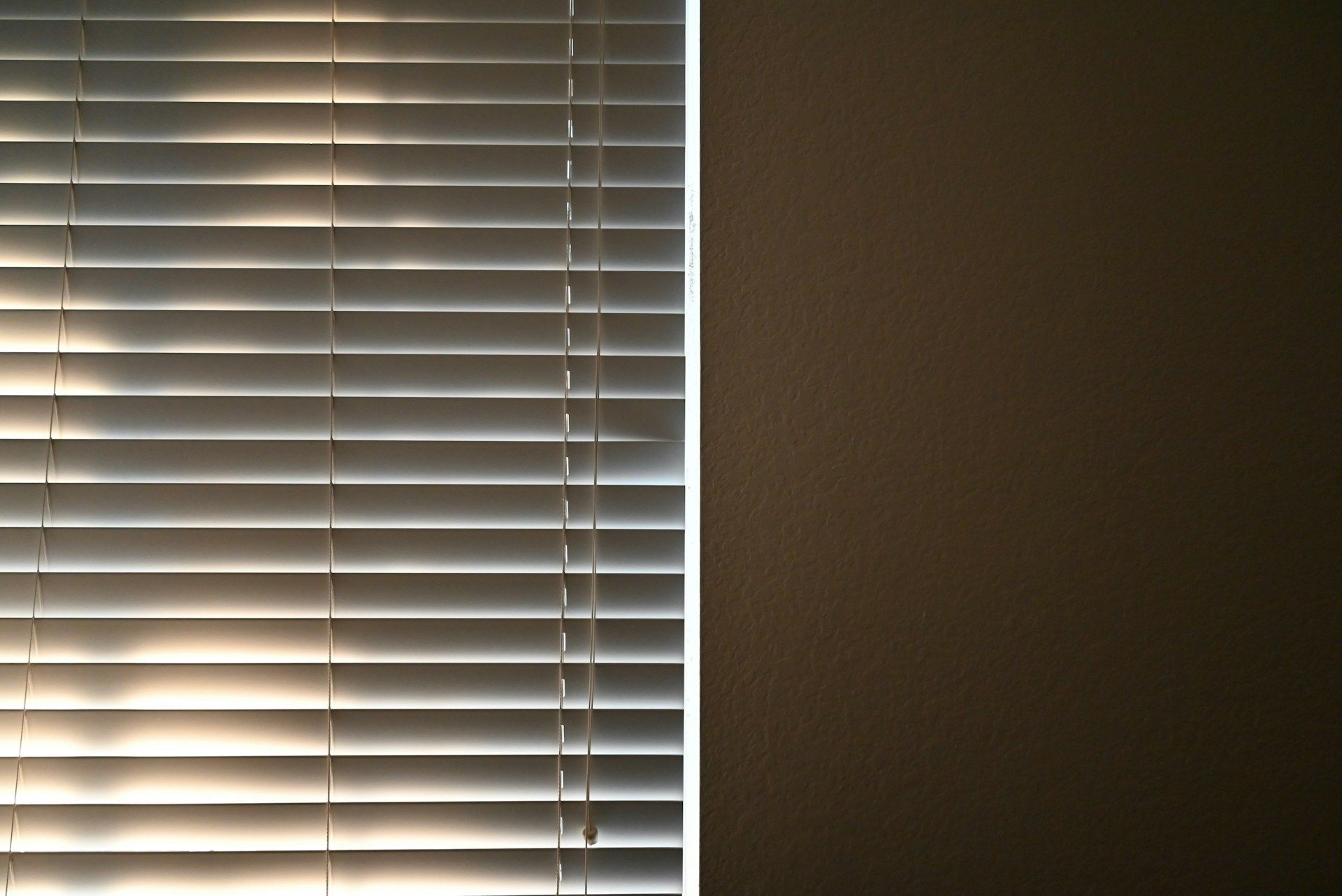
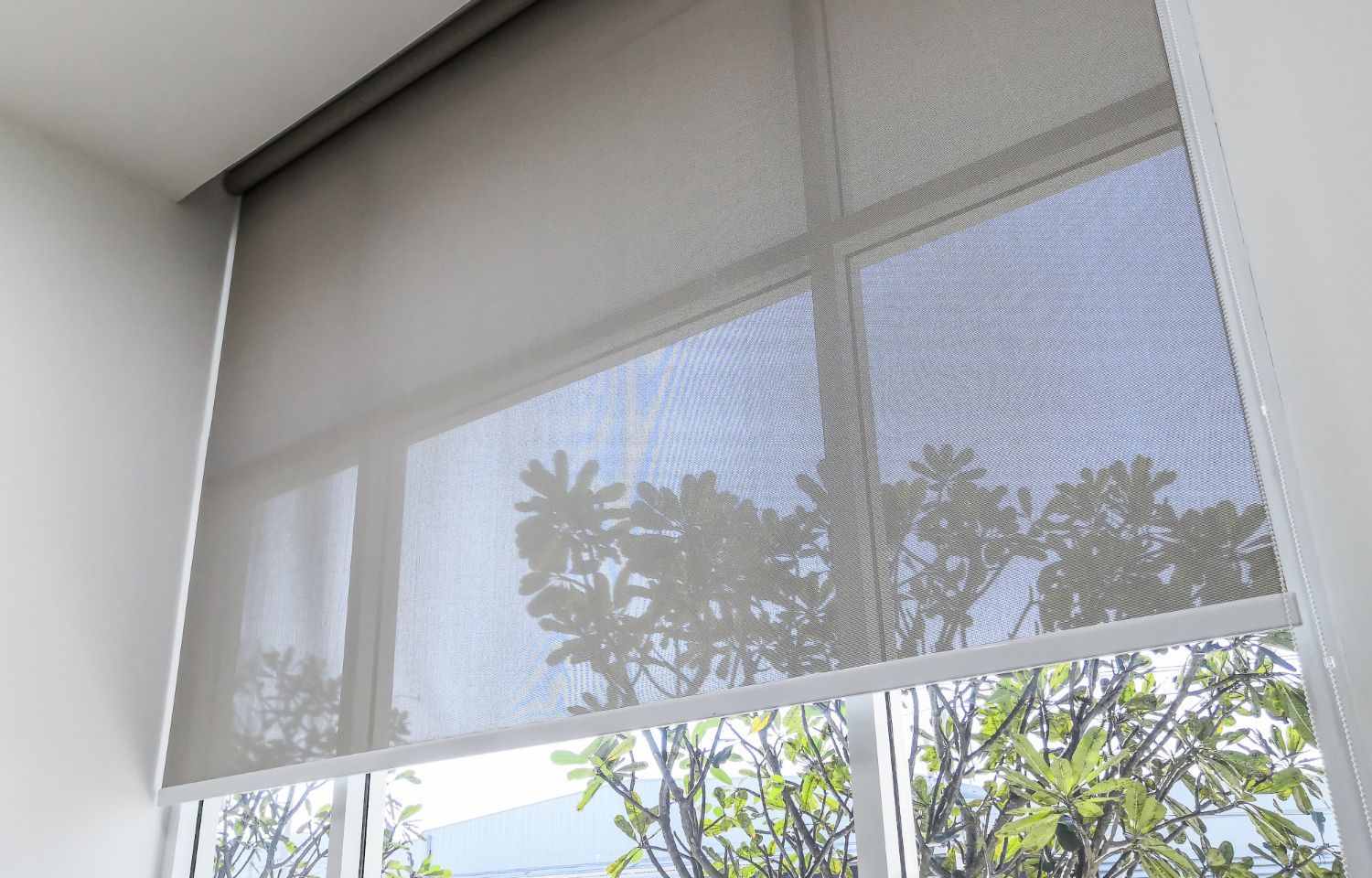
- A fabric shade or blind right at the glass
- A lined drapery panel that overlaps the frame
- A solid shutter that closes snugly into place
All of these create small air pockets and extra barriers that make it harder for sound to pass straight through.
Custom fit is a big part of this. Store-bought panels that are too short, too narrow, or hung too far from the frame leave gaps where sound can leak in; professional measuring helps:
- Cover the full width and height of the window
- Reduce light and sound gaps at the sides and top
- Match the treatment style to the exact window shape
That tighter, tailored fit can make a real difference in how the room feels.
Best Window Treatment Choices for Noise Reduction
Some window treatments tend to do better with sound comfort than others. A few strong performers include:
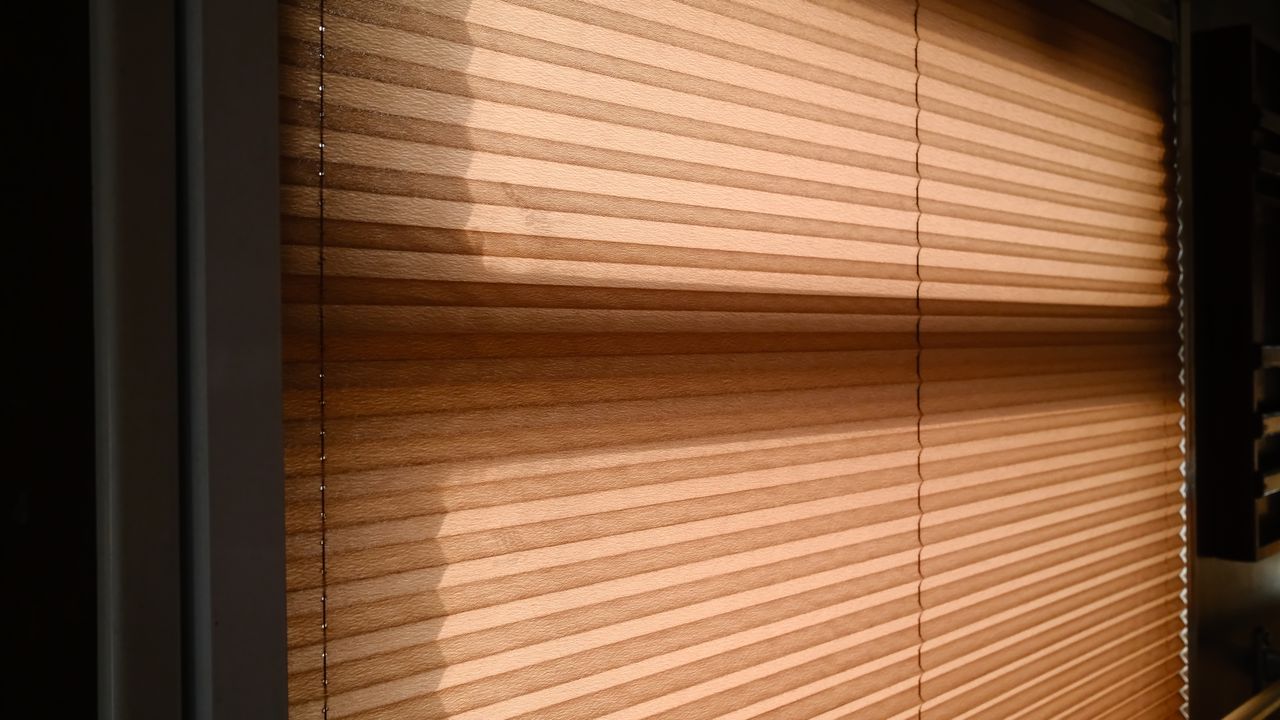
- Cellular shades: Their honeycomb pockets trap air, which helps with both sound and temperature.
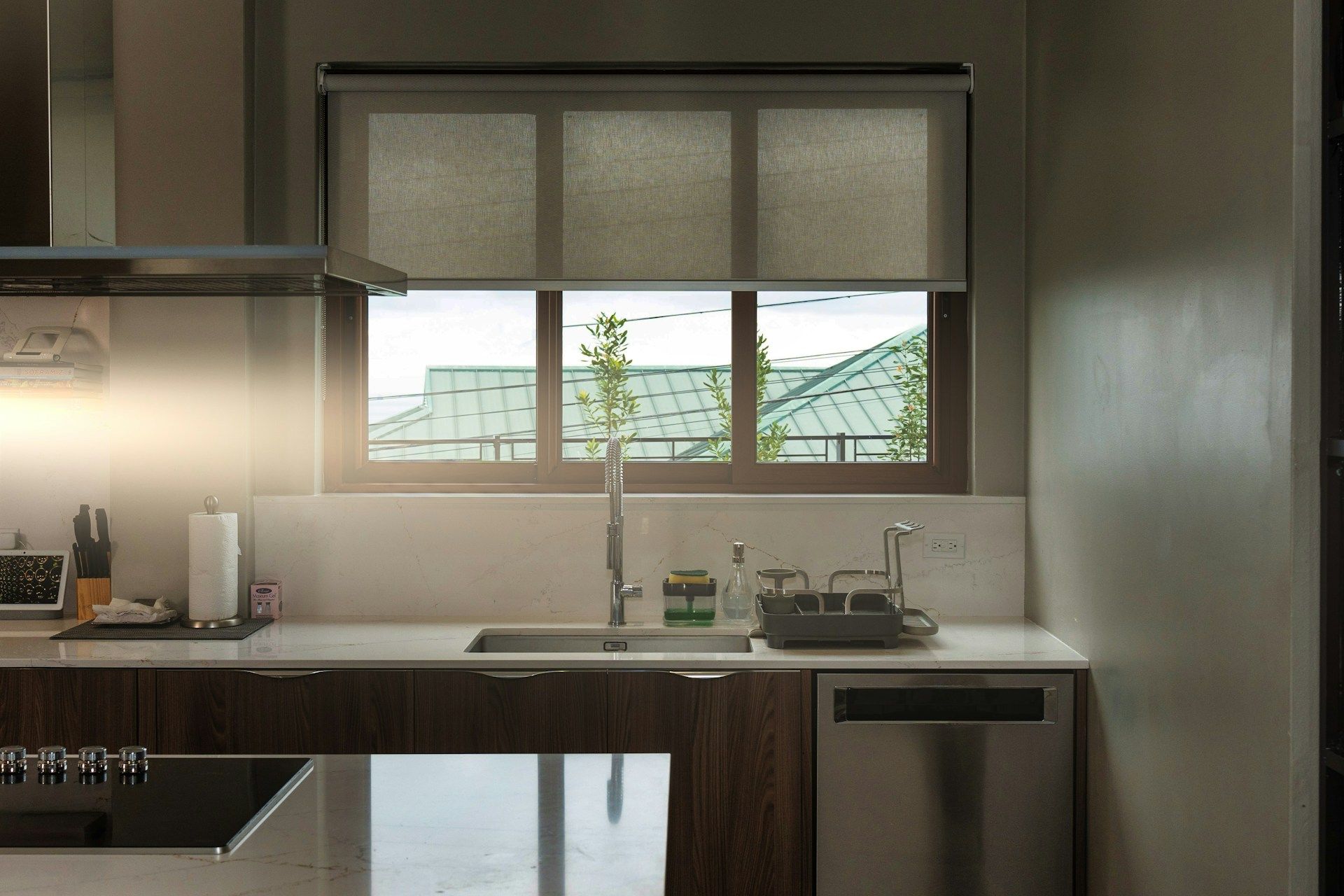
- Fabric Roman shades: Thick, folded fabric adds a soft, padded layer at the glass.
- Lined draperies: Extra lining adds weight and density, which can help absorb and block sound.
- Interior shutters: Solid louvers and frames add a sturdy barrier, especially when closed fully.
You can go with a single-layer solution, like a well-fitted cellular shade, and get a nice improvement. For rooms that face busy streets or sit on a corner, layered solutions often work better. Think about combinations such as:
- Cellular shade plus side panels or full drapery
- Roman shade plus a heavier, lined drapery
- Shutters paired with soft side panels for echo control
Different Fairfax County setups call for different answers. For example:
- Townhomes near busy roads: Cellular shades with lined drapery panels can help with both street noise and privacy.
- Condos with shared walls: Fabric shades and wall-to-wall draperies help cut echo and limit sound bouncing around.
- Single-family homes with two-story windows: Floor-to-ceiling draperies, sometimes layered over shades, are very helpful for taming echo in tall spaces.
Designing Quieter Rooms Without Sacrificing Style
Noise control does not have to look heavy or technical. Modern window treatments come in clean styles that work in both traditional and contemporary homes around Fairfax County.
When we are thinking about acoustics and style together, we often look at:
- Thicker, tightly woven fabrics that absorb sound better
- Optional linings that add body without making panels look bulky
- Slightly darker colors or subtle patterns that visually ground a large window
All of these choices can help with sound while still matching your furniture, flooring, and wall color.
Motorized options can also play a quiet role. When shades and draperies move at the touch of a button, it is easier to keep them in the best position throughout the day. That means:
- Closed during the loudest traffic times
- Adjusted for privacy during busy evening hours
- Positioned to support energy efficiency and UV protection at the same time
The more often coverings are used, the more consistent the acoustic benefit will be.
When Professional Guidance Makes the Biggest Difference
Every home and every room has its own mix of noise sources and surfaces. An in-home visit from a window treatment specialist allows us to look closely at details like:
- Where the noise is actually coming from
- Room size, ceiling height, and layout
- Existing flooring, furniture, and wall surfaces
- The size and shape of each window or glass door
From there, we can suggest options that balance sound comfort, light control, and style. Many Fairfax County homeowners choose to focus first on rooms where acoustics matter most, such as nurseries, home theaters, primary bedrooms, or remote workspaces.
Investing in custom window coverings in Fairfax County can pay off daily. With the right products and thoughtful design, homes feel quieter, sleep can improve, conversations sound clearer, and everyday life inside those walls becomes more relaxed and enjoyable, day and night.
Get Started With Your Project Today
Transform your home with Southern Maryland Custom Blinds and our tailored approach to style, privacy, and light control. Explore our full range of
custom window coverings in Fairfax County and see how we can match your design goals and budget. We will guide you through every step, from in-home measurements to professional installation. Ready to schedule your consultation or ask a question? Simply
contact us and we will follow up promptly.
Share This Blog